


New Perspectives on Xenotransplantation
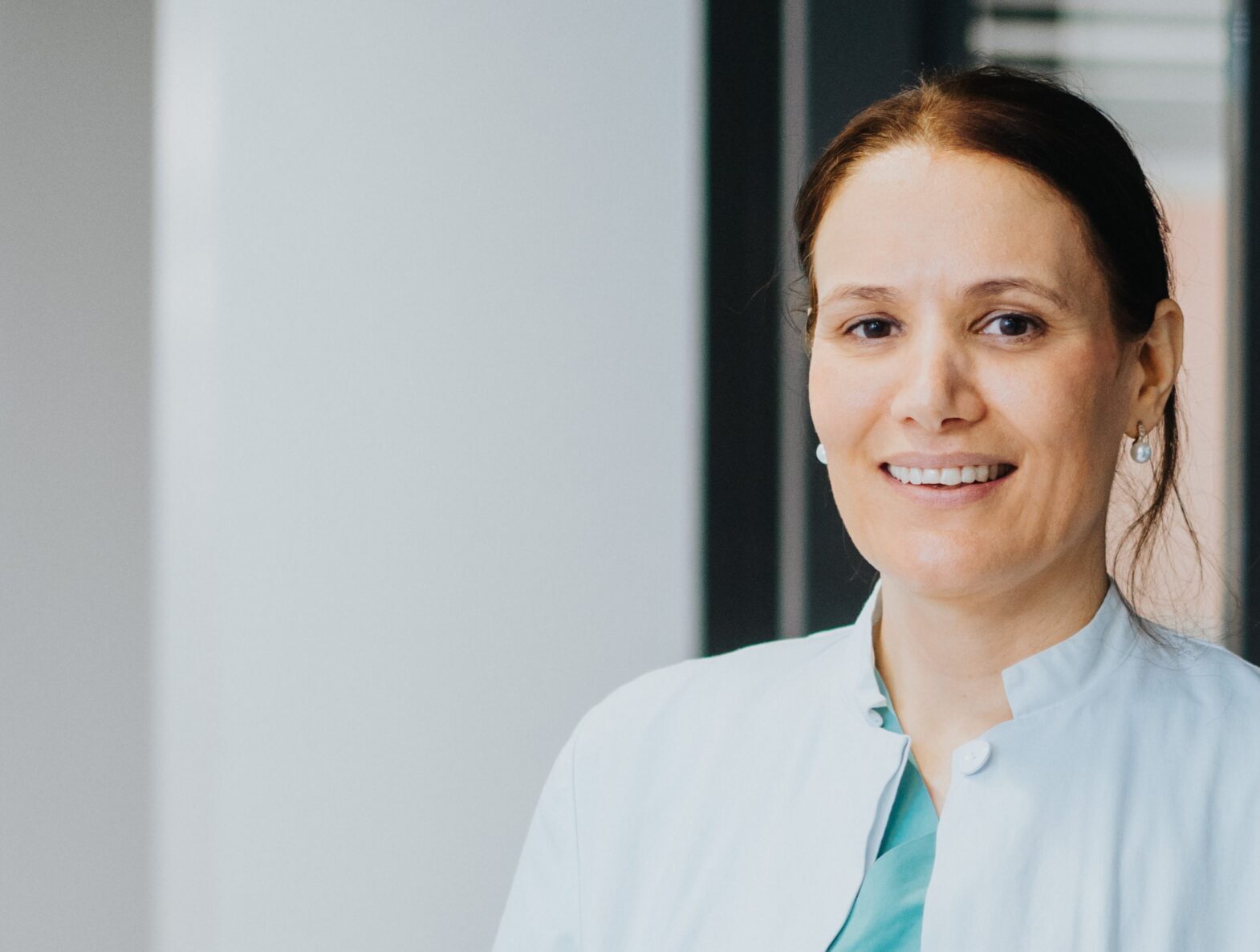
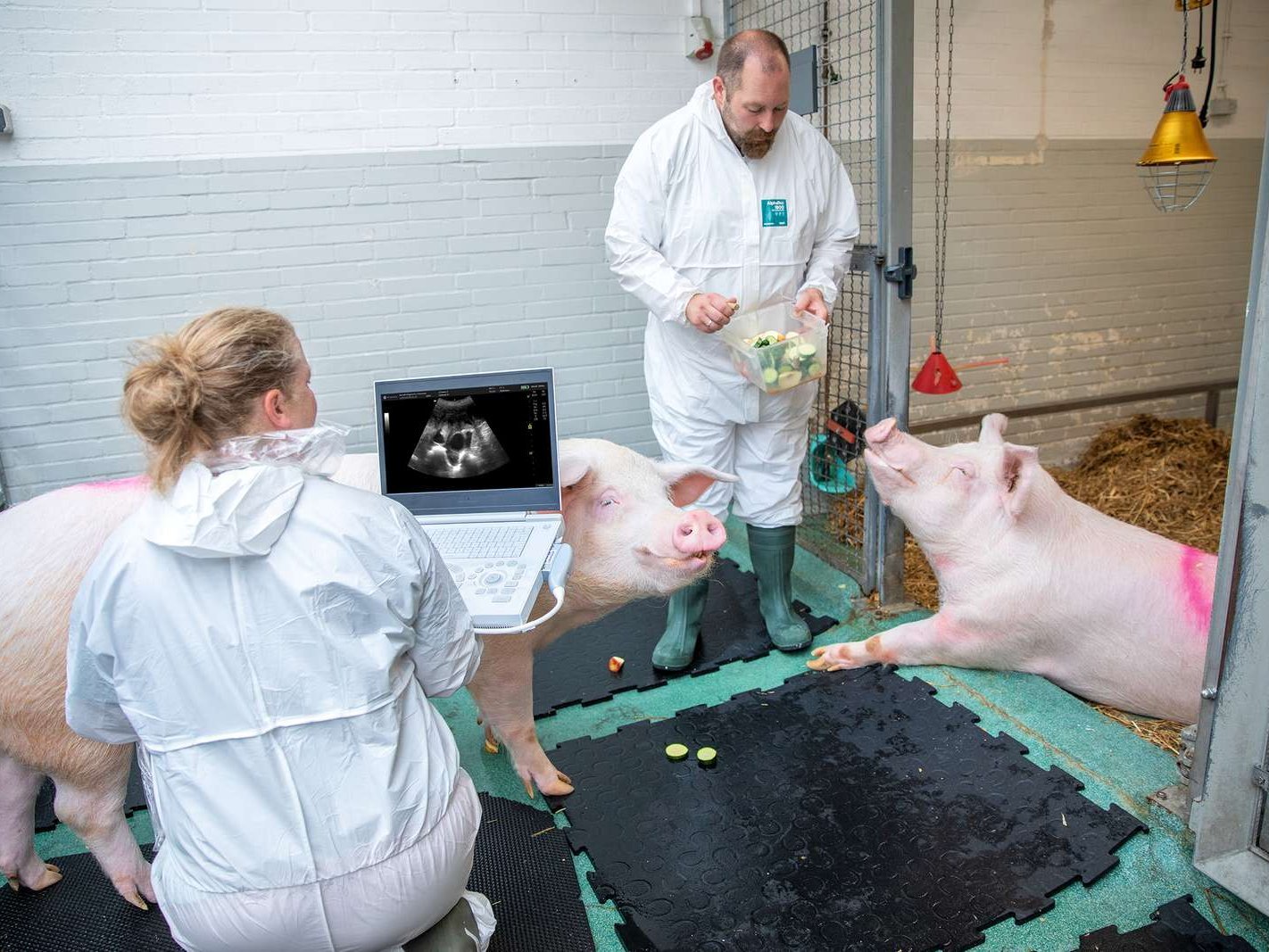
The XeNid research project at Hannover Medical School is investigating how genetically modified pig organs could serve as temporary replacements until a human donor organ becomes available.
The Heidelberg-based PRiVENT project demonstrates a new approach to avoiding long-term invasive ventilation and out-of-hospital intensive care wherever possible — benefiting patients while offering the potential to save considerable resources within the healthcare system.
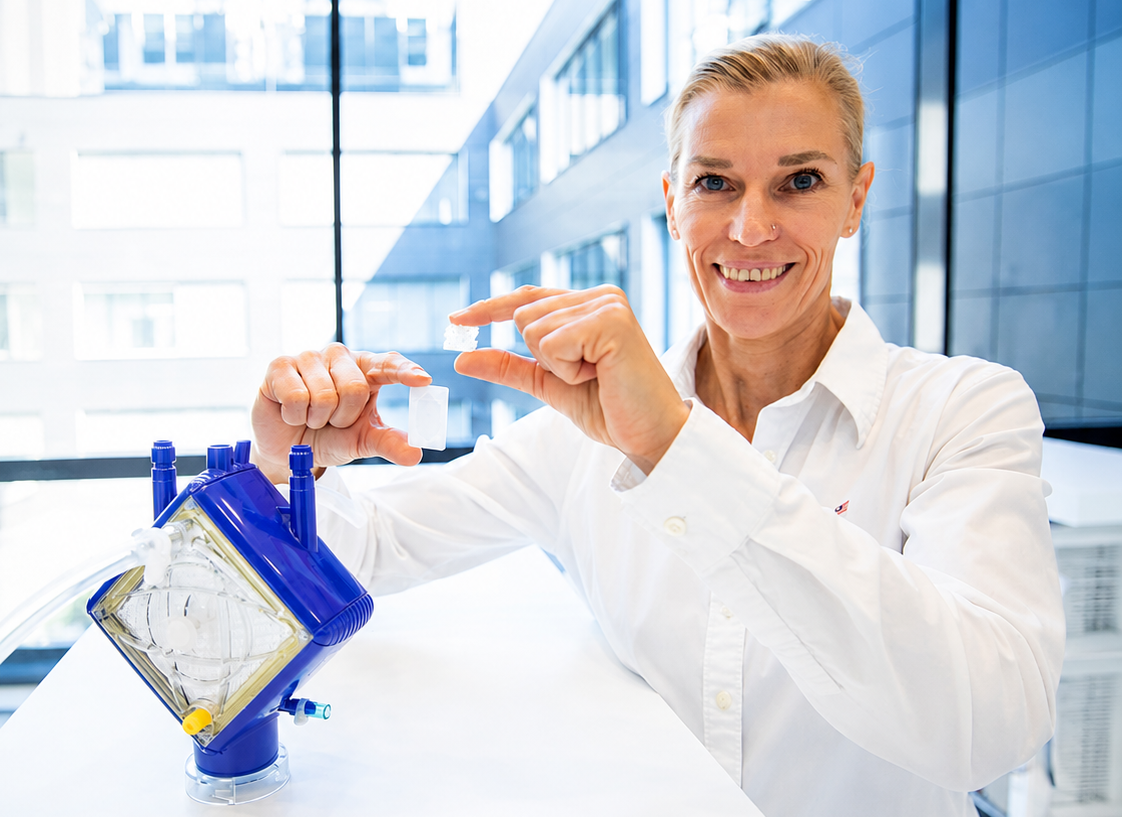
Artificial lungs could one day permanently take over the function of a diseased organ. A research team at the DZL site BREATH is working to bring this goal one step closer with a novel 3D-printed...
Why do some people live much longer with a transplanted lung than others? DZL researchers are investigating the role of specialized immune cells to identify new biomarkers that could predict long-term transplant success and enable...
In 2025, the Hannover Medical School (MHH) once again ranks as the leading center for lung transplantation in Germany and across the entire Eurotransplant region. With a total of 110 transplants performed, Hannover was able...
How the lung regenerates after injury and the role played by specific cell types are at the center of a recent review article by a group of DZL researchers. Published in the European Respiratory Review,...
With the publication of the new D-A-CH guideline “Follow-up care of adults after lung transplantation”, an evidence-based and comprehensive follow-up care concept for patients after lung transplantation is now available for the first time. The...
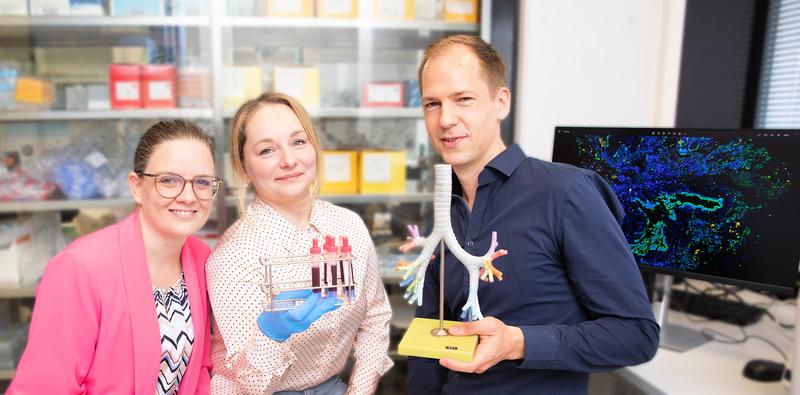
Two DZL early-career researchers from the BREATH site have been selected for the National Translational Tandem Program for Gene- and Cell-Based Therapies (nTTP-GCT). Their interdisciplinary team, combining basic research and clinical expertise, aims to develop...
Researchers at the DZL site in Munich have discovered a promising new approach to treating pulmonary fibrosis and recently published their findings in Nature Communications. The study explores innovative strategies for treating pulmonary fibrosis.
After a lung transplant, preventive treatment with specific antibodies can reduce the risk of infection with SARS-CoV-2. Scientists at the DZL sites in Munich and Hanover discovered this.
An international research team, led by lung researchers from Giessen, has discovered a new repair mechanism with therapeutic potential. The work has now been published in "Nature Communications."
DZL researchers at Helmholtz Munich and their collaborators developed the Human Lung Cell Atlas using artificial intelligence (AI)-based techniques. This atlas elucidates the diversity of single lung cell types and allows learning about lung biology...